Pages

Sunday, June 30, 2013

End Table Painting Ideas

If you recently redid your decor or picked up a stay end table on sale, don't let it go to waste. Just like you attack your walls, doors and closets with fresh paint, a coat of paint or designs can perk up that table and make it fit right into your home's scheme. Whether you use your end table to hold items or purely as decoration, painting it can give it a new lease on life. Does this Spark an idea?

Super Stripes

    Get your end table to match two distinct colors in your room without much effort at all by painting it in stripes. Purchase two colors of paint for the table (if the table is already a single, solid color you like, just buy one other color). Paint the entire table the lighter color and let dry. Stretch lengths of masking tape along the face of the table and press down securely. Don't forget to do stripes up the end table legs as well. Paint the table again with the darker color. When the table dries, peel off the tape to reveal the stripes. This style of painting is ideal for theming an end table to your favorite sports team (such as purple and black stripes for the Baltimore Ravens football team) or an upcoming holiday (red and green for Christmas).

Total Trompe

    The artistic style of trompe l'oeil painting takes its name from the French phrase "trick of the eye." The style involves painting in such a way that the viewer thinks he is seeing something completely different than what is really in front of him. For your end table, you can implement trompe l'oeil in a variety of ways. If your end table is going to rest up against patterned wallpaper, you can use paints similar to the paper's colors to simulate the design onto the table. Paint the table's face and legs and guests may not be able to tell the table is even there except for what's resting on top of it. You can also create a trompe l'oeil on the top of the table, such as painting to make the table look cracked or rotting, to look as if the viewer is peering down into an ocean or as if something is already resting on the table, such as a bowl of candy.

Great Graffiti

    Graffiti may be something you envision on a street corner in a gritty city, but the art form dates back to Egyptian monuments and the ruined city of Pompeii. Today, people who create graffiti are known as artists and work to perfect their "tagging," which can bring high prices at art auctions. To make your own graffiti, grab a couple of cans of spray paint and your end table and head outside. The beauty of graffiti is that you can't really go wrong. Let your creativity run wild and your hands to the talking as you spray designs, letters or even your name into the end table. Anything you don't like, cover up with a dark spray paint color, let dry and start work over again.

How to Use the CSS display:table-row and display:table-cell Properties

How to Use the CSS display:table-row and display:table-cell Properties

The CSS display:table-row property allows you to make content display in a browser as if it were a table row. You can place content in a div to display as if it were a table cell using the CSS display:table-cell property. However, there is no HTML markup making the displayed content an actual table of tabular information. Content can be accessible, while giving you the power to display that content as if it were a table or grid. Here is how it's done.

Instructions

Plan your layout

    1
    The HTML

    To demonstrate, here's a simple CSS centered two-column layout in a container div. Notice that the HTML is not for a table. It is a container div that holds two nested divs: a sidebar and a content area. Nested in the content area you see a div holding two nested divs. These divs are assigned to the class "row" and "cell" respectively, so that they can be styled with CSS.

    2
    The Stylesheet

    Assign the following CSS to the page. Notice that the sidebar1 and mainContent divs are given the property display:table-cell. There is no need to enclose these display:table-cell presentation divs in a display:table or display:table-row div. This is because the table and the table row are implied. That means the browser will act as if a table and a table row were actually given. For the nested row with two cells that will appear in the main content area, use the CSS shown for the class "row" and the class "cell" in the CSS shown. Colors and borders are given for clarity. They are not needed to achieve the layout results.

    3
    The Page in Firefox

    The results display in a grid-like manner with a container holding two large cells or boxes that display like columns. Within the mainContent area you see the row of two cells or boxes that could contain text or images as needed. This grid effect was achieved with CSS display properties.

    4

    In the HTML, the sidebar came first in the source order. You can reverse that order to place the sidebar on the right by putting the mainContent div first in the HTML source order.

How to Display a Buffet Table

How to Display a Buffet Table

From simple office parties to extravagant banquets and weddings, buffets are used in many types of gatherings in order to allow those in attendance to pick and choose what they wish to eat. Because everyone does not get the same plate of food, guests will stay satisfied by eating what they want and will not feel awkward or have to throw away something you prepared for them. While it may seem very difficult to display a buffet table, it is actually quite simple; and there is an unlimited number of creative touches you can add to beautify the display. Add this to my Recipe Box.

Instructions

Small Buffets

    1
    When throwing small parties or holding business meetings, you usually only need one table or counter.
    When throwing small parties or holding business meetings, you usually only need one table or counter.

    Get a tablecloth to cover your table, if possible. It is not necessary, but it keeps the table clean for its other uses. Some businesses display their buffets on a counter as well.

    2
    Small buffets tend to have foods that require no silverware or utensils.
    Small buffets tend to have foods that require no silverware or utensils.

    Place the main dishes, such as sandwiches, deserts, pizzas or dips in the center of the display. Organizing them in a circular fashion is pleasing to most eyes.

    3
    Office buffet displays are simple and do not need much time, effort or fanciness.
    Office buffet displays are simple and do not need much time, effort or fanciness.

    Place half of each additional item on each side of the main dish. For example, if your main dish consists of submarine sandwiches, first place the subs in circle around their plate, stacking them toward the center when necessary, and then place bags of chips immediately to the left and right of the plate. Finally, put the drinks, plates and cups on the left side of the display and deserts on the right side.

Large-scale Buffets

    4
    Place tables against the wall only if food will not be replenished.
    Place tables against the wall only if food will not be replenished.

    Line all tables up on one side of the room, with enough space between the tables and the wall for servers to walk behind the tables and replenish serving containers.

    5
    Tablecloths should reach all the way to the ground.
    Tablecloths should reach all the way to the ground.

    Place tablecloths on every table. All cloths should be the same and match the theme colors of the event or room. If there is no theme, white or black are the most appropriate colors to use.

    6
    Organize altering color patterns for foods on trays.
    Organize altering color patterns for foods on trays.

    Place all serving containers, ice bowls, plates, fruit displays and other items on your table. To beautify the appearance of these containers themselves, try turning them at different angles and place napkins of an accented color underneath them. Keep all foods of a similar type together for coherence.

    7
    There are many ways to fold napkins creatively.
    There are many ways to fold napkins creatively.

    Use the accessories, such as napkins, silverware and party favors to decorate and enhance empty spaces. Placing folded napkins in a crescent-like fashion can add life to empty edges. You can also use bands or ties to cradle a fork or spoon inside a napkin.

    8
    If your theme consists of only one color, these decorations can accent well.
    If your theme consists of only one color, these decorations can accent well.

    Use seasonings, flower petals or small flakes to add a subtle touch of elegance to serving trays and tables.

    9
    Do not place ice sculptures in warm environments.
    Do not place ice sculptures in warm environments.

    Buy sculptures and statues to really impress crowds if your budget allows for it. These can serve as centerpieces for the main buffet tables.

Thursday, June 27, 2013

Decorative Ideas for Tables

Decorative Ideas for Tables

Whether you have a long imposing dining table, a simple side table or a low coffee table, it can be remade into something special. Faux-painting techniques, stencils or moldings can add new life to an old table purchased inexpensively at a yard sale or found in a friend's attic. Any of these decorative techniques will impart character and charm to a plain table at a much lower price than buying a new piece. Does this Spark an idea?

Ornamentation

    A simple table can become something special with the addition of decorative molding. Available at home stores, decorative molding can be attached to the edges or front of any wooden table with finishing nails. Use fluted molding on legs for a traditional look. Create interest on drawers with raised molding. For an artistic look, line up strips of different moldings of the same length. Finish the piece with a coat of paint to tie all the elements together.

Decorative Painting

    A decorative painting technique will transform an ordinary table. Stencil a muted floral image on the tabletop or sides to add elegance. Create the look of marble or leather on the surface of a coffee or side table with faux painting products and tools available at paint or home and garden centers. Use a crackle medium, available at hobby stores, to instantly age any table. Add a coat of polyurethane to protect any decorative finish.

Distressing

    Distressing is an easy technique that adds the appearance of age to a table. Paint the table in a solid color. When the paint is dry, lightly sand the edges and any raised areas to remove the paint from them. The table's natural finish or its original paint color will show through on the sanded edges. Apply a coat of brown stain, followed by polyurethane to seal. Distressed furniture is ideal for families with small children as any additional wear and tear only adds to its appeal.

Finishing Touches

    Add a finishing touch to a newly decorated table with a centerpiece or art objects. For a dining table, add a table runner and a seasonal decoration, such as a bowl of limes in summer, pine cones in winter or gourds in fall. Use unusual objects as receptacles for flowers, such as a hollowed-out pumpkin, a delicate teapot or a conch shell. For side and coffee tables, add a piece of pottery, vases or urns in a single color or candles of different shapes and sizes.

How to Decorate a Table for Jewelry

How to Decorate a Table for Jewelry

Setting up a table to sell or display your jewelry is a chance to show off your craftsmanship as well as your creativity to potential customers or fans of your work. Decorating the table to display your jewelry will attract more visitors to view the pieces and will also be more memorable to those who are just passing or walking by. Using traditional arts and craft supplies along with materials from your own jewelry, you can create an appealing and welcoming jewelry display table.

Instructions

    1

    Assess your current budget, the size of your jewelry table and the amount of jewelry you plan to display on the table at one time.

    2

    Produce a visual of the jewelry you have in stock by laying the jewelry out on the table to ensure you can fit all of it properly. If you do not have a lot of room, other options are available for displaying your jewelry, including vertical stands.

    3

    Choose a theme or a color scheme for your jewelry table by sticking to one to three solid colors or one main color with brightly colored patterned decorations.

    4

    Use a large sheet of fabric or create your own tablecloth to create a theme or atmosphere of your jewelry table. Use bright patterns to draw attention, or dark solid colors for a more elegant jewelry table look.

    5

    Purchase vertical jewelry display stands for your table, including earring, necklace and jewelry stands. Cover the stands in colorful fabric to add to your table's theme or look. Necklace bust stands are also available to use for featuring jewelry and can hold and display multiple necklaces.

    6

    Organize your bracelets, necklaces, rings and pendants by color and shape for ease of browsing when customers are looking for specific colors of jewelry.

    7

    Place a mirror on each side of your table to allow customers to try on jewelry. Having a mirror can add to your sales by giving the customers an opportunity to try on and test the jewelry before purchasing it from you.

    8

    Tie colorful price tags onto each of the pieces of jewelry you are selling in case of shy shoppers who prefer not asking for prices. Adhesive price tag stickers are also suitable to use on larger pendants and pieces of jewelry that are not extremely delicate.

How to Paint a Glass Coffee Table With Krylon Fusion Paint

How to Paint a Glass Coffee Table With Krylon Fusion Paint

Glass coffee tables are available in a variety of styles, shapes and sizes. Coffee tables provide an area for drinks, plates, magazines and other items. Glass tops can be clear or smoked so they match any decor. Krylon Fusion paint can change the color of the glass so it is no longer translucent. This type of paint is available in colors to match draperies, furniture and accent pillows for coordinating a living room. Does this Spark an idea?

Instructions

    1

    Take the glass coffee table outdoors and place it on a level surface. Place newspaper underneath the table to protect the grass or concrete from overspray.

    2

    Pour rubbing alcohol on the glass tabletop. Wipe the entire surface with paper towels to clean all residue and debris off the glass.

    3

    Grasp a piece of fine grit sandpaper in one hand. Sand the entire tabletop in small sections, working in a circular motion.

    4

    Wipe the tabletop off with a cotton rag to remove any tiny particles from the sandpaper.

    5

    Place newspaper or paper bags on any wooden areas that do not require paint, and tape them in place with masking tape.

    6

    Shake a can of clear paint primer for three minutes to mix it thoroughly.

    7

    Hold the spray can 6 inches from the surface on one corner of the table. Press the knob on the spray can, and move across the table in a straight line. Release the knob at other end of the table. Make even strokes that slightly overlap each other for complete coverage. Work to the other end of the table until the entire surface has primer.

    8

    Let the primer dry completely.

    9

    Shake a can of Krylon Fusion paint for three minutes to mix it thoroughly.

    10

    Apply one coat of paint in the same manner as the primer.

    11

    Apply additional coats, letting the previous one dry completely first, to achieve a darker color.

    12

    Remove the newspaper or paper bags and masking tape after all coats are dry.

How to Repair a Cracked Glass Table

Glass is beautiful, but unfortunately it's also fragile and doesn't react well to parties, pets, children and household "acts of God." If your favorite coffee table has cracked and you want to repair it yourself, it's easier than you might think to make it like new again. Does this Spark an idea?

Instructions

    1

    Determine whether replacing the glass would be easier than trying to fix it, or if the glass is too damaged to do the job yourself. If the table is a specialty piece that's close to shattering, take it to a professional. If you're dealing with a glass-topped table or glass inlay piece, it may be less expensive and time-consuming to simply replace the cracked pane.

    2

    Purchase a glass repair kit. Unless you are working with a table made from blown glass or a specialized non-flat surface, a windshield or window repair kit is an easy way to repair the problem. Buy these kits at auto parts stores and major retailers with automotive repair sections as well as at home repair centers.

    3

    Assess the damage. If you have multiple cracks, be sure you have enough resin and enough bridges for each crack before you begin any repairs.

    4

    Clean the glass carefully. It's easy to accidentally cut yourself on the thin edges of the glass surface, so take good care. Allow the glass to dry thoroughly before you repair it.

    5

    Follow the manufacturer's instructions exactly, making sure the vinyl or resin is used in appropriate amounts and the bridges are applied to the cracked glass correctly. The bridge looks like a suction cup attached to a metal bar with a screw through it. Make sure you apply the right amount of pressure to the crack specific to the type of filler you are using.

    6

    Remove excess resin or vinyl on the glass with a razor blade according to the instructions of the kit you are using. Timing differs among kits, so be sure to read the instructions carefully.

Wednesday, June 26, 2013

How to Use CSS Display Properties for Grid Layouts

How to Use CSS Display Properties for Grid Layouts

The CSS display property allows you to set up rules for display that make your content display as a grid or as if it were a table, when in fact the material is not a table. Using CSS to create a grid layout gives you control over the layout without putting any table tags into the HTML. The display properties that relate to a table-like appearance, including each possible property and value, will be described in this article.

Instructions

    1

    display:table makes the element act like a table element. If you nest rows or columns of grids within this element, you should use one or more of the properties described next.

    2

    display:table-row makes the element act like a table row element. It is possible to use display:table-row effectively without having it nested in an element set to display:table. This is because the browser assumes the existence of an "anonymous" table element and behaves as if it were there. (See Tips below for more about "anonymous" elements.) Remember, you aren't creating an actual table of tabular data; you are merely creating a grid-like display.

    3

    display:table-cell makes the element act like a table cell element. It is possible to use display:table-cell effectively without having the element nested in an element set to display:table-row or display:table.

    4

    display:table-row-group makes the element act like a table row group element. Use it for an element that groups one or more rows. It's the CSS way of expressing what tbody does in HTML.

    5

    display:table-header-group makes the element act like a table header row group element. It's the CSS way of expressing what thead does in HTML. With CSS, the table-header-group is always displayed before all other rows and rowgroups and after any top captions.

    6

    display:table-footer-group makes the element act like a table footer row group element. With CSS, the table-footer-group does what tfoot does in HTML. The table-footer-group is always displayed after all other rows and rowgroups and before any bottom captions. Printers may repeat footer rows on each page spanned by a table.

    7

    display:table-caption makes the element act like a table caption element.

    8

    display:table-column makes the element act like a table column element. It's the CSS way of expressing what col does in HTML.

    9

    display:table-column-group makes the element act like a table column group. Use it to group one or more columns. It's the CSS way of expressing what colgroup does in HTML.

Tuesday, June 25, 2013

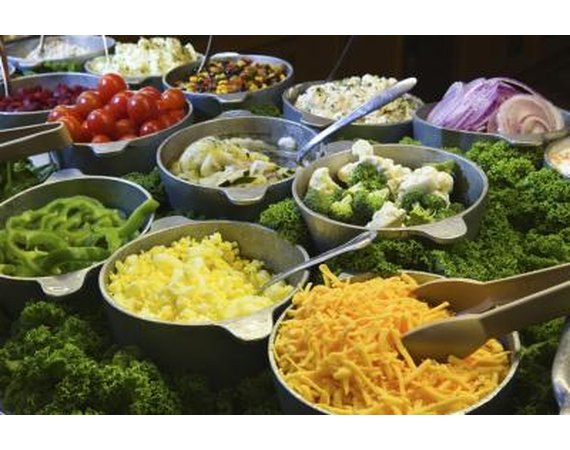
Display Hints for Party Banquet Table

Display Hints for Party Banquet Table

Serving party food banquet style is a great choice for easy entertaining. If you want your guests to be dazzled, tune into the fine art of food display. Learn how to place foods, what kinds of containers to use and how to make it all look mouth-watering. Does this Spark an idea?

Place Your Table Carefully

    When you begin planning, think for a moment about table placement. You want your guests to be able to flow to and from the table easily. Placing your banquet against a wall (leaving it open on three sides) makes it easier to create your food display, because your table will only be viewed from the front.
    This also ensures that guests flow from the beginning of the buffet to the end. Place stacks of plates on the left and napkins and utensils on the right at the very end. This means your guest don't have to juggle forks, knives and napkins while they're trying to serve themselves.

Dress Rehearsal

    Dessert Display

    The day before your event, place empty serving dishes on the table along with their appropriate serving utensils. This way you can move them around easily and determine where you want to fill in with flowers and other decorations. Keep flower arrangements low to provide easy access to food. It's also a good idea to use flowers with little scent so the flowers won't interfere with the scent of your delicious food.

Food Stylist's Secret

    Here's the number one trick that food stylists use to make a table full of food look more intriguing: they place the food at varying heights. This means placing a low, shallow platter of cookies next to a tiered serving stand of pastries or a big pot of soup behind a basket of rolls. Try to have enough dishes to fill the table so that you create a feeling of abundance.
    You can fill in any empty spaces on the display with small dishes of nuts, olives or pickles. For table decoration, scatter miniature gourds or figs for fall (at any farm stand), chestnuts for winter, flowers for spring, and seashells or gorgeous garden produce (chili peppers, fresh herbs tied with ribbon) for summer.

Types of Varnish to Use on Wooden Tables

Types of Varnish to Use on Wooden Tables

Varnish is a clear finish that protects wood and the wood stain from scratches and nicks as well as water damage. Varnish will eventually wear off, so it needs to be reapplied periodically to high-use furniture such as kitchen and living room tables.. There are several different ways of classifying varnishes including by their composition and the way they eventually look when they dry. Choose the right varnish for your home's dcor and for your type of furniture. Does this Spark an idea?

Oil-Based

    Oil-based varnish is the most durable type of varnish that is accessible for the average homeowner. Other, more durable varnishes need to be professionally applied. Oil varnishes are more elastic and softer than other types of varnish. This prevents them from cracking if used on wooden tables or other high-use furniture.

Polyurethane

    Polyurethane offers the best resistance to heat, solvents and abrasives. This means that you can use rubbing alcohol or acetone to remove stains from the polyurethane-coated wood without worrying about dissolving the finish. Because it does not melt when it gets hot, polyurethane varnish is convenient for use on wooden kitchen tables.

Shellac

    Shellac in its purest form is a resin that is naturally secreted by an insect. The manufacturing process involves harvesting these secretions and mixing them with alcohol. Shellac comes in a variety of colors. It dries very hard and has a high gloss sheen that is makes it an attractive choice for use on living room or bedroom tables.

Lacquer

    Lacquer is an evaporative finish that dries very fast. Lacquer is moderately durable type of varnish, but it gives wood a depth of color and texture. Lacquer is sensitive to heat. Therefore, never use it to varnish kitchen tables or any area that might be exposed to flames or excess heat. Most lacquer is slightly orange or yellow.

Acrylic

    Acrylic varnish is very similar to lacquer. It has the same properties except that it dries completely clear. This allows you to maintain the color of the wood or your wood stain. Acrylic varnish will not turn yellow over time.

How to Make a Train Coffee Table

How to Make a Train Coffee Table

A coffee table makes an ideal enclosed layout for an N-scale train. Placed against the wall, with an overstuffed armchair on each side, and a sofa facing the table, the layout becomes an instant conversation starter. A built-in shelf unit above the table becomes a bridge to a second layout traveling up a ledge and around the room. Recessed controls keep the transformer out of sight. The table itself can be constructed of any desired hardwood.

Instructions

    1

    Lay the 2-inch by 4-inch side and end boards on the 2-inch edge in a box shape, with a 2-inch by 2-inch space between ends and sides at the corners for the leg boards. Place one leg board upright in each corner, flush with the end and side pieces.

    2

    Use a carpenter's pencil to draw a line across each leg where it meets each end and side piece. Cut 1-inch mortises in adjoining sides of each leg board. Cut tenons on the end of each side and end piece to fit the mortises (see Tips).

    3

    Lay the side, end and leg boards in place again. Beginning at one corner at a time, brush the tenons of each board with carpenter's glue. Allow glue to dry until tacky. Stick the tenon into a mortise and press firmly.

    4

    Repeat until all the tenons have been glued into each mortise, between the side pieces and the end pieces. You should now have a coffee table frame, held together with carpenter's glue. Leave table frame face down, legs in the air.

    5

    Apply carpenter's glue to two of the triangular sides of each support block. Allow glue to dry until tacky. Butt the blocks into each corner and press firmly to get a solid glue seal.

    6

    Mark screw hole positions as shown in the drawing which accompanies this step. Drill the holes at an angle into each side of the corner support block. Countersink all the holes and attach the blocks using 1 1/2-inch wood screws.

    7

    Make a 1/2-inch deep rabbet cut all the way around the inside perimeter of the table frame while table is upside-down (see Tips). This rabbet cut will provide support for the table bottom. Apply carpenter's glue along the rabbet cut for the table bottom. Press table bottom sheet into place.

    8

    Attach the table bottom to the table frame using 1-inch wood screws placed every 4 inches around the perimeter of the table frame. Turn table upright to stand on its legs.

    9

    Use a router to cut a 1/2 inch deep rabbet cut along the inside perimeter of the open table frame, including the corners of each leg. This rabbet cut, along with the four triangular corner supports, will support the glass tabletop sheet.

    10

    Sand the entire table using coarse, medium, fine and extra fine sandpaper. Finish the table with several coats of clear acrylic deck treatment, allowing to dry for 24 hours between coats.

    11

    Build the train layout as desired. Cover the inside of the table surface with a mixture of grass seed, sand, pebbles, fine gravel, small rocks, sisal fiber trees and shrubs, and whatever other landscape features you desire. Include a water feature, such as a stream or pond. Make a bridge over the stream if desired. Create tunnels using an arch of plastic canvas, covered with papier mache. Place your N-scale train on the tracks. Attach the transformer underneath the tabletop, with the controls facing the aspiring engineer.